There's a version of this page that lists credentials and accomplishments and wraps a difficult life into a neat arc of triumph. I'm not going to write that version.
What I will tell you is that I spent a long time being a woman who appeared to function — who had the family, the work, the life that looked like something — while quietly managing something I didn't want to name. The perfectionism. The performing. The slow, creeping sense that the version of me everyone saw wasn't the whole story. Alcohol was part of it. So were the choices I made to keep disappearing into my own life rather than living it. The need to be good enough. The belief, wired into me early, that if I just held it together long enough, I'd eventually feel okay.
I didn't feel okay.
In 2022, I made my sobriety public. That decision was not about bravery. It was about not being able to pretend anymore that my private experience and my public life were two separate things. The work I was asking other women to do, the honest, uncomfortable work of looking at themselves clearly, required me to do it first.
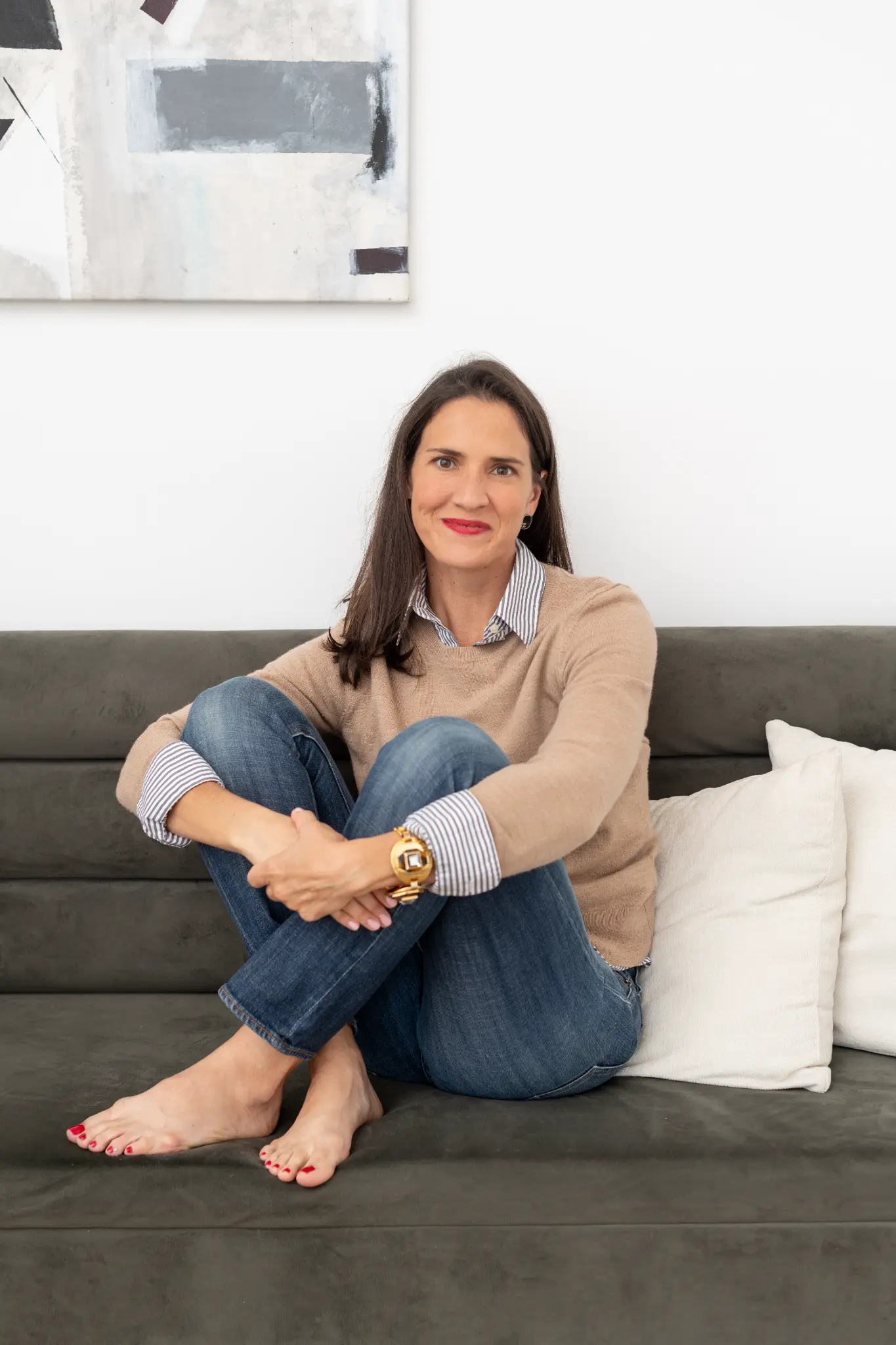
What followed was not a straight line. It was years of somatic work, relational repair, and the daily decision to keep going even when going back would have been easier. I didn't recover in a weekend. I recovered in the ordinary moments — the ones no one applauds.
I grew up in Baltimore, the eldest of the Phelps family — a household that understood ambition, excellence, and the particular pressure of being expected to be extraordinary. I spent the first half of my life meeting that expectation. I spent the second half learning that meeting it had cost me something I couldn’t immediately name.
Today I am a guide, a Hay House author, a speaker, a community builder, a board member, a mother, and a woman in long-term sobriety. I work with women who are somewhere in the middle of their own becoming: not at the beginning, not at the triumphant end, but in the messy, necessary middle.
That middle is where I live too. That's why I can guide you through it.